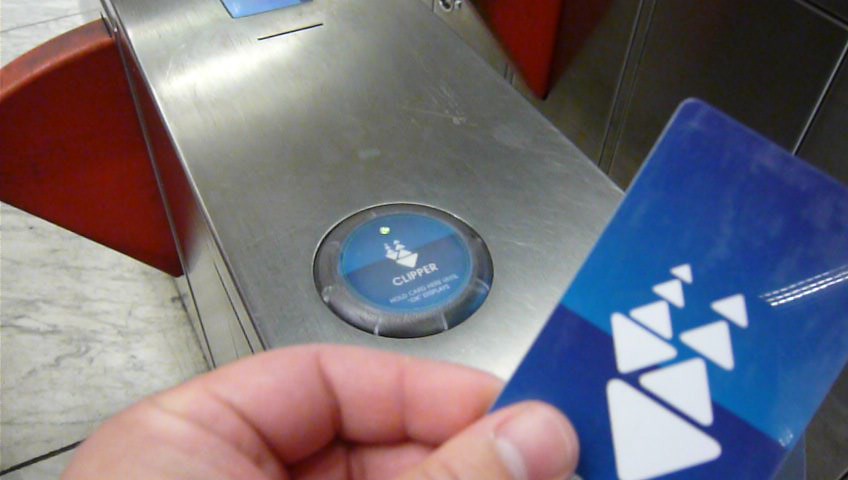
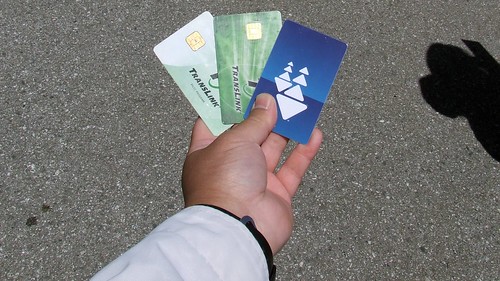
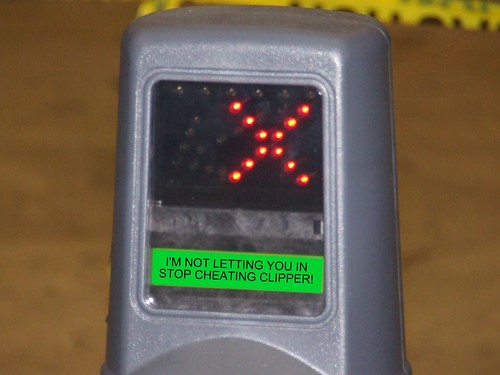
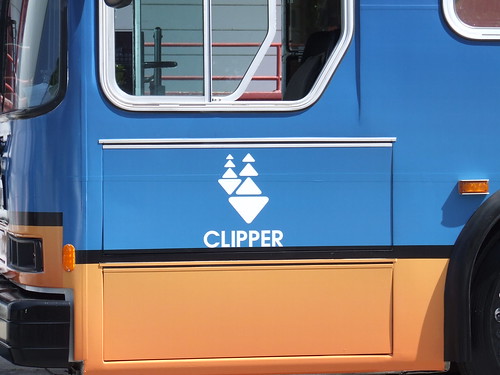
That's right, Akit is out of retirement for just this special story, after more than four years of not blogging. How are you? I've been doing well; in the last four years, I've got a job promotion with a decent pay raise, and I've been working remotely from home for nearly a year due to this virus. Hoping I can get the vaccine in the coming weeks and eventually return to in-office work.
If you read the blog entry title, the Clipper card will be available with Apple and Google Pay starting Spring 2021. If you want to read the articles, see the Apple Pay article and Google Pay article.
For you very long time loyal readers, I've been blogging about the Clipper card, and it's former name, the TransLink card for such a long time. Since not much has changed, I can help provide some insight in what your mobile phone wallet will do for you. However, since I own an iPhone and Apple watch, information about how Google Wallet may be limited.
Want to sign-up for an email notification when Clipper is ready for Apple Pay? Click here to go to Apple's website to register.
Let's look at the benefits and features that will come with Clipper Card on Apple Pay:
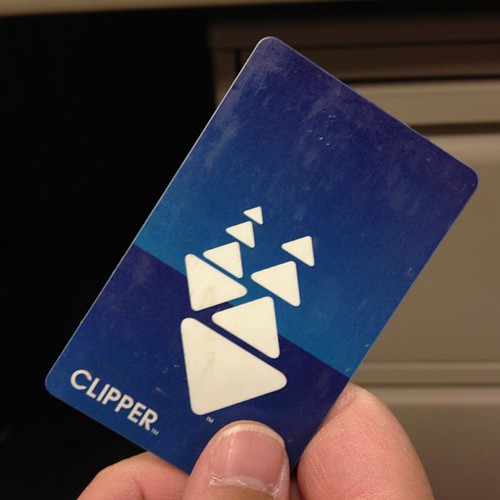
- No more carrying a plastic card with you.
- For Apple users, it will be available on Apple Watch and iPhone.
- Express Transit will be supported on Apple Pay. What this means, there is no need to open your Apple wallet on your phone or watch. Just tap the phone or watch on the reader and it will automatically open the app and scan. But it does require you to activate this feature on your wallet's settings. One thing to note, if you just restarted your phone or just put your watch on, you need to authenticate yourself with your passcode to have the Express Transit feature on standby for your next ride.
- Express Transit also works if you are in power reserve mode, but only on iPhone. Power reserve mode is when your phone shuts down due to low battery, but will function as your Clipper card for up to five hours until you can recharge your phone.
Here's some possible features that may come with the Clipper Card, but this comes from learning about how this works from reading and watching videos about the Suica card which is used in the Tokyo, and WMATA's SmarTrip card used in the Washington D.C. area:
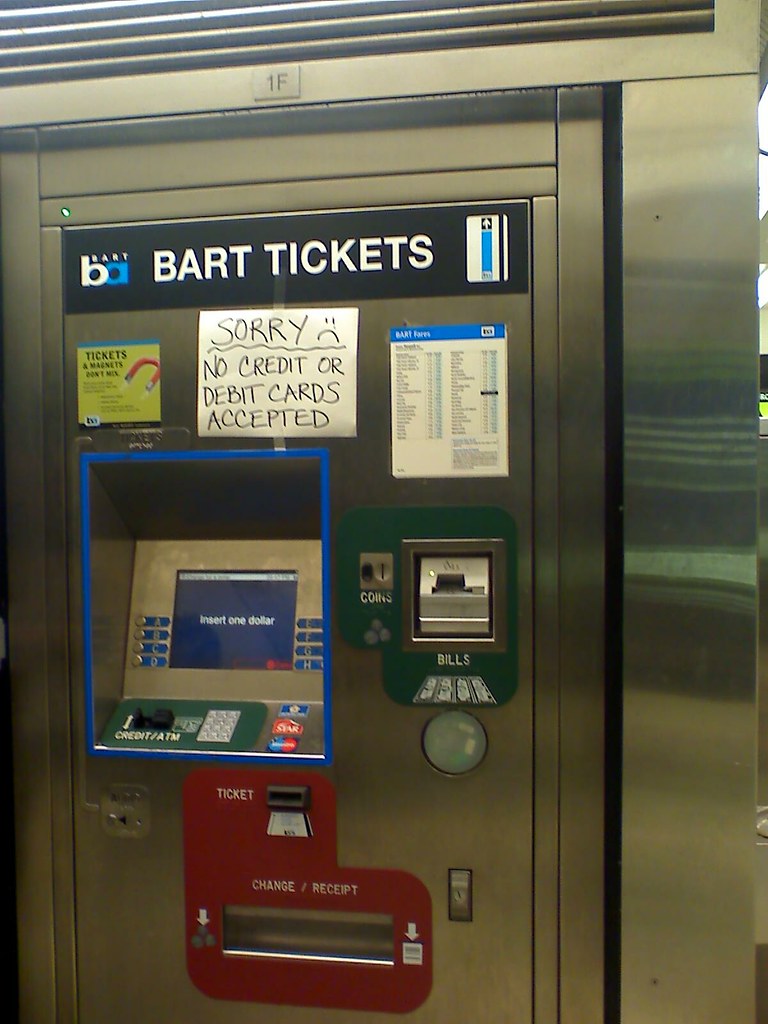
- You can add cash funds or possibly passes by purchasing them on your phone, and would be available for instant use. There would be no need to reload your virtual card at a ticket vending machine, such as at all BART stations, or visit a Walgreens or retail store.
- You will be able to transfer your blue plastic card's data, cash purse, passes, etc. to your virtual wallet by allowing your phone to scan your card.
We've seen the benefits, now the problems:
- You can only add your Clipper card to one device, either your iPhone or Apple Watch, not both. You can have it on both, if you have separate cards. Hard choice, phone or watch?
- If the ability to transfer your plastic card's data to your mobile device is allowed, once transferred, your plastic card is void. You cannot use both the mobile wallet and plastic card. Please note, this is coming from the SmarTrip website; I would assume it will happen to plastic Clipper cards once migrated to your phone or watch.
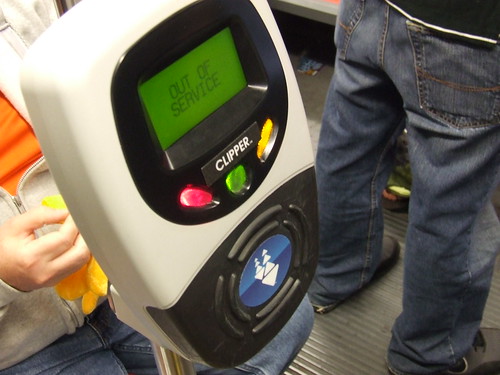
- If your card needs to be read by a fare inspector or any person who uses a handheld reader, such as a cable car conductor, Express Transit feature on Apple Pay won't work; you'll need to open up your Apple wallet on the device you have your card on.
- The Commuter Check debit card is not supported on Apple Pay because I just tried adding it. Unless if Clipper has a separate app that someone can manually enter their card number, you may not be able to reload Clipper card purse funds or buy passes using the commuter benefits card via your phone; you would have to do it at a vending machine or retail store.
- If your watch or phone is dead or if you have a battery that isn't holding its charge, maybe stick to your plastic card. Non functioning devices means no working Clipper card.
- If you ride Muni occasionally, take at least two rides, and don't ride the cable cars (and they are not operating due to COVID), it's better to use Muni Mobile's day pass for $5, as a single ride on Clipper and Muni Mobile is $2.50. Clipper cards don't have the $5 pass available to purchase.
- It is unknown if you can migrate your SF State ID card with Clipper (for the Gator Pass) to your phone. It is also unknown if you can migrate a Senior card, RTC discount card, and other discounted cards to Apple and Google Pay.
- One last thing, it's highly unlikely that contactless credit and debit cards, including Apple and Google Pay credit/debit cards will be accepted on Clipper. The major weakness of the Clipper card system is that all card readers on buses are not connected through cellular service 24/7 to verify if the card is legit or stolen. Clipper and formerly TransLink has been in use for nearly 20 years. There's planned 2.0 upgrade coming in the future.
Okay, what would Akit do? I have the blue plastic adult Clipper card, iPhone, Apple Watch, and a commuter debit card. (Remember, you may not be able to have the same card on the iPhone AND Watch)
- My option would likely be my Apple Watch. Especially since face masks aren't friendly with Face ID on iPhone, Apple Watch seems to be the easiest choice, I can just tap the watch over the reader. Although, in the case of Muni metro and BART gates, my watch is on my left wrist, so I'll have to move my arm over to scan it. I would also activate Express Transit so I don't have to open up the wallet on the watch and scroll to the Clipper card.
- A possible problem is using my commuter debit card as a funding source to reload my virtual Clipper card, since my debit card can't be added to my Apple wallet. Hoping they will have a new Clipper card app that lets me add funds by manually adding a commuter benefits card.
- For longer day trips within San Francisco, I would not use Clipper, and instead use Muni Mobile for their $5 day passes (no cable cars) or $13 one day passport that includes cable cars.
- Cool tip: Once cable cars resumes service, it's $8 for a single ride. Two cable car rides costs more than an all day unlimited Muni Mobile one day passport good for all the cable cars, buses, light rail, and historic streetcars you want.
Want to see how a contactless transit card works? Watch this video of the Suica card on Apple Pay is being used at a fare gate at a train station in Japan: https://www.youtube.com/watch?v=HNzi5b1Rsxc&feature=youtu.be