"Akit is the man. He knows Clipper." (spenta)
"It’s a fantastic blog for any San Franciscan."
(Kevin)
"Your blog is always on point, and well researched!" (Nina Decker)
"Everyone's favorite volunteer public policy consultant..." (Eve Batey, SF Appeal)
"You are doing a great job keeping on top of Translink stuff. Keep up the good work!"
(Greg Dewar, N Judah Chronicles)
"...I don't even bother subscribing anywhere else for my local public transportation info. You have it all..."
(Empowered Follower)
"If anyone at City Hall wants to make public transit better for all San Franciscans, it would be wise to follow Akit religiously...
or, better yet, give him a job."
(Brock Keeling, SFist)
Showing posts with label MTC. Show all posts

Monday, September 15, 2014

Clipper Card on iPhone's Apple Pay Service - Could it Really Happen?


Greetings readers, it's been a while since I've blogged.  I'm still happy and well, but I've been sticking to my public social media accounts on Twitter and Instagram more often.  I thought I'd write a blog entry today because of what's been happening in the news for the past week.

The announcement of the next generation of iPhones, in particular Apple Pay, is really attracting a lot of news these days as the next cool way for people to pay for stuff at their favorite big retailers without pulling out their plastic credit card.  And while the Android platform has been using their NFC chips for a good while to be able to pay with credit cards and read NFC tags, with Apple playing along, that puts a huge chunk of the smartphone market able to now use NFC technology.

But what really intrigues me about the big evolution of NFC to be capable on Apple devices is the opportunity for public transportation to play a role in being a part of it.  Simply put, will the Clipper Card be an option for Apple Pay and Android?

Here's the pros if the Clipper Card was available as an option for people to scan their phone to a Clipper Card reader:
  1. No more carrying a plastic Clipper Card in your wallet.  Just put your phone to the reader to handle your fare/pass transaction.
  2. Be able to instantly view your card's balance, transfers with the time it expires, and your passes.
  3. Be able to instantly view your ride history, and have instant proof of payment on hand for fare inspectors.
  4. Using the Clipper Card app, be able to add card value or buy passes using a linked credit card with instant available use, without the horrible five day waiting period currently in use for people who buy online for their plastic card.  Read about the five day rule here.
  5. Also, using the Clipper Card app, people can also purchase day passes like for Muni.  Muni does sell the passports for Clipper, but people still prefer the scratch-off ones or buying it from the Cable Car conductor.
  6. Also, there could be an option for people to not use a Clipper Card, and instead use a registered credit/debit card to make their one-time transit fare payment.  It might be a cool perk for those with pre-tax commuter benefit debit cards to simply tap their phone and just deduct the balance from the card; no more need to load the money to a Clipper card, just touch and pay.
But there are some cons:
  1. It may not be possible to have Clipper do this.  The Clipper Card system itself was one of the first smartcard systems ever in the United States, and as of today, the system is outdated when compared to other agencies using smartcards.  When Clipper first started, it started as the TransLink card program which the MTC awarded a contract to ERG, a leader in smartcard technology for transit systems.  But many years later, Cubic, a titan in the transit technology market, bought out ERG and took over its contracts, including TransLink/Clipper.  The folks at Cubic had an uphill battle to get their products to properly function with the thousands of ERG cards and technology in use, such as the BART and Muni fare gates (Cubic products).  Cubic had to take the right route, they couldn't remove the ERG products already wired and installed and start from scratch (that would cost a ton of money), so they made a hybrid system so both ERG products and Cubic products work together.  Since the Clipper system is outdated, it may not be able to take mobile phone payments. 
  2. If the above is true, we may have to wait until 2019-2020 for the next generation of Clipper Card technology to have the features.  The expected end of life for the currently installed technology is to end roughly around 2019 and that's when the contract with Cubic is to expire.  The Metropolitan Transportation Commission intends to put in the next generation of Clipper by starting from absolute scratch, instead of preserving the old infrastructure.  A simple way of thinking is, the MTC may be able to save money by delaying smart phone implementation until the 2nd generation system is functional.  Click here to read about the second generation of Clipper plans.

Akit's Opinions:
In my opinion, I wish the Clipper Card was available as a smartphone function to just tap the phone to a card reader to ride public transit, or even just allowing people to use a linked credit card to just tap and pay for their rides would be wonderful.  Also, with the ability to order passes or load more cash value from your phone means your virtual card on your phone will have instant available use of your pass or funds, without the terrifying five day waiting period or running to your Walgreens or train station to load-up.

But looking at all of the cons, this may be something the MTC may not want to pursue, especially if the Clipper Card program is to be in a coffin by 2019 and a new program will be functional by then.  The technology being used today is outdated but functions as expected.

If there has to be a compromise, here's my recommendation:
I feel this may be an opportunity for Clipper to work with Apple and Google to allow Clipper card users to get an app that utilizes a plastic Clipper card and an NFC capable phone to let people scan their card to read their ride history and review their balances on their card (currently, the FareBot 3rd party app for Android can do this).  This may also be an opportunity for people to order their passes, add cash value, etc. on their phone, and tag their card to their phone to update the card's data with the new information so people can instantly use the card with the new information.

What's your thoughts on this?  Leave a comment.

Friday, April 4, 2014

End of the Clipper Card in 2019? It's Not a Joke

BART Gate & Clipper Card

I got a little clue that the MTC wants to move to the next generation of Clipper card when I read a tweet from the folks from VTA.  I decided to dig around the meeting agenda documents available online to the public from the MTC website.

So it's actually true, the contact for Cubic, parent operator of the Clipper Card program, is going to expire in November 2019, that's roughly five years and seven months away.  At this time, committees of the MTC are in regular discussions about the next generation of fare payment technology for the Bay Area, and while there's no definite answer, there's some hints on what is going to happen after late 2019:

The setup currently used for the Clipper Card/TransLink system is from the late 90s and within the next five years, the equipment will be reaching the end of its life.  The equipment being used right now originally came from ERG, an Australian company originally contracted to do the TransLink/Clipper system; but Cubic purchased ERG and since the network was already established, Cubic had to work with old equipment that's not their own to make it work (it's like trying to hammer a square peg into a round hole, it won't fit unless you shave the edges down to make it fit).

The MTC admits that trying to integrate the next generation system into the existing infrastructure would be too expensive and risky.  This would mean the next generation fare system may have to start from absolute scratch; this is one of the reasons why they are planning so far in advance for this.

The MTC also mentioned during their planning timeline to learn the lessons from the past to make sure it's a much smoother process.  I remember being part of the TransLink pilot program with very few transit agencies participating and limited usage, and it took many years to finally get all major transit agencies to join and be fully integrated.

Lastly, this second generation of fare payment may also bring in new technologies to improve the customer experience.  We all know about the headaches and limitations of Clipper, including the 3-5 day wait when buying online.  New technologies may allow us to pay for rides with a smartphone or even with credit cards with RFID chips installed.

To read the full MTC documents about the planned project, visit: http://apps.mtc.ca.gov/meeting_packet_documents/agenda_2196/Agenda_Item_3.pdf and start on page 14.

Thursday, May 9, 2013

Clipper Card Improvements to Caltrain and Installation on Marin Transit

It's that time of the month again when the defacto Clipper card board of directors spends money on things YOU want for your Clipper card.  The Operations Committee of the MTC meets on Friday, May 10th at 9:35AM (agenda here).

A lot of the material is all contract renewals, such as the operation of Clipper customer service offices/desks at Embarcadero station, but here's the two things you should know:

  1. $425,000 to help fund to have Clipper card equipment installed on Marin Transit buses.  Marin Transit will also help pay for the installation of the equipment on their vehicles.
  2. $150,000 will be spent on an adjustment to the Clipper card readers at all Caltrain stations.  The Clipper card readers emit the same tone when you tag-on and tag-off, but due to complaints of people being confused, including those with limited visibility, the modification will be a different sound tone being emitted when you tag-off.  For example, you'll hear "beep!" when tagging-on, and "boop!" when tagging-off.
In other meeting notes, the board will hear a presentation on customer service for Clipper.  They've already made some improvements, such as upgrading the website and making the automated phone system easier to use.  The goal for this summer is to have a mobile friendly website up and running.

Akit's Opinions
Not a bad set of goals.  The need to expand Clipper to the smaller agencies is still in the works, but it seems the progress is just slow.  When are they ever going to get Clipper ready for the Vallejo ferry, or how about the Tiburon service Blue & Gold provides?

I do feel the adjustment to the Caltrain readers is much needed, but I'm still hoping they will one day have all the ticketing machines be able to add Clipper value and finally end that stupid 8-ride for an across the board equivalent 20% discount on single ride fares.

Tuesday, April 9, 2013

FasTrak and Clipper Card to Change Policy on Your Usage Records

Back in October 2012, a reporter from the Bay Citizen reported about an instance when a warrant was used to request data of a registered Clipper card user that was an alleged accomplice to a crime.

While it seems a great idea to link an accomplice to a crime by reviewing the data of a Clipper card user, it does raise the issue of privacy concerns and what information is kept by the Metropolitan Transportation Commission (MTC) and Clipper, and how long they keep information about your usage.

While the Bay Citizen reported the number of warrants to release information was only a few (back in October 2012), the data Clipper gathers is typically used for assessment purposes by reviewing the riding patterns of the public.  Without the need for people to have clipboards at bus stops, the Clipper card can keep track of the number of passengers that rides the vehicles, and at train stations and Golden Gate Transit, able to determine patterns of passengers of where they ride to and from.  The data they gather helps transit agencies find if additional or less service is needed, or the need to operate higher capacity vehicles or trains due to boarding numbers.

Some transit agencies like Samtrans and Muni may know what route you took, but can't determine where you boarded or exited because they don't have GPS information connected to the Clipper devices; this is unlike Golden Gate Transit that operates on a zone system requiring GPS to determine your ride fare, and train stations that needs to know what station you boarded and where you exited to properly charge you the right fare.

Even then, the data retained tells a lot about your usage patterns.  Is having a registered card risky?  If you are a criminal, probably so.  Grocery stores with self-checkouts sometimes have problem with theft by tricking the machines, but people are stupid enough to use their registered store loyalty card during the check-out process.  But if you are a law abiding citizen and don't mind having your records kept for several years, then it's okay for you.

The same concern is with FasTrak devices as well.  They know what time you crossed the bridge, but a privacy policy regarding the freeway devices keeping eye on traffic speeds don't record the FasTrak serial numbers, only to find out the speeds of the freeway to help aid the 511 website and the signs on the freeway with the estimated time of major exits and junctions.

After the Bay Citizen reported about the issue, the state government scrambled to work on changing the policy from seven years of data retention to just three.

However, a law that was proposed in the senate would re-define the retention of data for those who cancel their Clipper and FasTrak accounts; the policy would be only up to six months from the date of cancellation of the account.  Also, the senate law proposed would also: "Require deletion after six months of PII not needed "to perform account functions such as billing, account settlement, or enforcement activities.""
 
While six months sounds like a useful amount of time, the MTC did not agree on the six month policy because of the statute of limitations, so instead of six months or even three years, the most suitable amount of time would need to be longer.

Operations Committee of the MTC will be voting upon a proposal to change the retention of data this Friday:
  • The MTC is proposing to change the data from seven years to four years and six months.
As stated in the MTC's document regarding the proposed change in policy: The statute of limitations can go up to four years.  By extending that with an extra six months, it allows the MTC and Clipper enough time to handle lawsuits and claims.

Akit's Opinion
Shortening it to just slightly beyond the statute of limitations isn't such a bad idea.  I'm not that concerned of my usage patterns, even with my grocery store loyalty cards.  Like Safeway really cares if I made a purchase of ice cubes and condoms in one transaction.

But if you personally have a fear of the government tracking you, why not just get an unregistered Clipper card?  Just make sure to replenish your card only using cash.

Thursday, February 7, 2013

Clipper Card's Plans for Expansion & Improvements in 2013


The Metropolitan Transportation Commission's Operations Committee (a.k.a. the defacto Clipper Card Board of Directors) will be meeting this Friday to discuss about Clipper card matters.

In a recently released agenda (PDF document) for the meeting, it mentions about what is planned for the Clipper card program for the year.  Here's the list:

First half of the year:
  1. They will enhance the website to make it easier to use.  If you log into your account, it's more streamlined.  They will also introduce a mobile phone friendly website in the near future.
  2. Youth and seniors will be able to apply via mail instead of going to an in-person location.
  3. The Clipper card will be accepted at five San Francisco parking garages.
Second half of the year:
  1. The end of Clipper card cheats on BART when the exitfare machines at every BART station will be functional to add value to cards.  This means passengers can't exit BART with a negative value on their card.
  2. Limited use tickets for social service agencies to distribute.
  3. Modifying Clipper's back end systems for more efficient and reliable processing.
  4. Preparing for expansion of program to smaller transit agencies not part of the current consortium.
  5. Working on long range plan for Clipper, including meeting with other transit agencies and other technology innovations.
Lastly, the board is reviewing a possible change in state law regarding personal information stored for transit rides after a recent controversy of how long Clipper and MTC keeps rider information data.  The law proposed in the legislature would make the maximum to six months.

Akit's Opinions
A lot of these goals they listed is pretty reasonable.  They are already working on the website and a mobile version will be quite helpful.  An Android and iPhone app would be great too.

I believe the most significant change will be accepting the Clipper card at city parking garages.  The only concern I have is how will this work; the problem is that Clipper card funding can be considered toxic if the e-cash purse is funded with pre-tax commuter dollars, therefore using it for parking, other than proper work transportation purposes is considered illegal.

Tuesday, September 25, 2012

Muni Tickets Can Be Hacked for Free Rides


A video was released on the internet showing a PATH (a New York & New Jersey rail system) paper ticket with RFID technology being able to be easily re-written using a specific type of cell phone by easily replenishing the number of rides loaded onto the card.

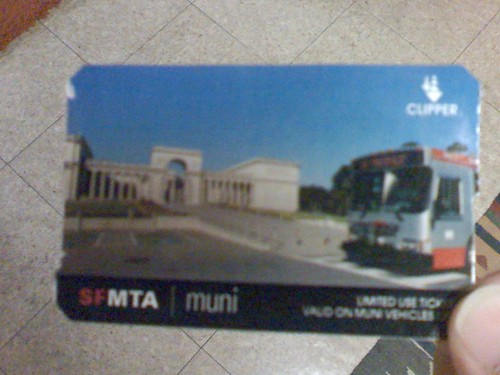
As PATH uses the same gate and fare technology as Clipper, Muni is now the unintended victim of this hack as the same process can be done to their metro station issued paper tickets with the same electronic fare card technology (a.k.a. Limited Use Tickets or LUT).

This current hack is cannot reprogram hard plastic Clipper cards, it only affects the paper electronic tickets.  Interestingly, this could also have an effect on Golden Gate Ferry as all single and round-trip ride tickets are also issued in paper ticket form (as seen below).

Muni Limited Use Ticket
The paper LUT that can be hacked

While the person who created the application with their smart phone is not going to release it, and did an effort to inform officials at PATH and the SFMTA about this problem, it makes me wonder...

Why such a huge lack of security on those paper tickets?  Now Muni and the MTC will have to spend a ton of money getting newer and more secure paper tickets to issue to Muni, and those tickets are not cheap to produce.  Muni purchases those paper tickets in bulk for an approximate cost of 25 cents each; Muni used to charge metro passengers a 25 cent fee when the machines was just installed, but quickly waived it when the public got mad, so the agency now has to spend hundreds of thousands of dollars a year.  With the need for more secure tickets, expect the cost to go even higher.

UPDATE: I just had an idea after publishing this.  Since the metro gates have magnetic card swipes, why doesn't Muni modify the ticket machines to issue a mag stripe paper ticket?  The paper ticket can also have information printed so it can still be used as a "flash ticket" for passengers who transfers to a bus line.  Mag stripes might be hackable, but reduces the risk because it doesn't use chips to use Clipper, and if it was hacked, would only be good on swiping at a metro gate; but an inspector can still visually look at the ticket and see if it's still valid or expired. 

Inside a Muni Limited use Ticket
The inside guts of a Muni LUT

It also comes to mind about Muni's decision to replace fare gates at their metro stations.  The agency and MTC spent millions of taxpayer dollars on fare gates that looks nice and accepts Clipper cards and LUTs sold at ticketing machines just outside the gates.

Why didn't the agency just consider a barrier free system?  It would have been simple and affordable by:
  1. Painting a yellow or red line to designate the free area and paid zone.
  2. Installing single ride ticketing machines that issues a printed ticket with no Clipper technology on the ticket.
  3. Have Clipper card readers at the painted line for those with the cards to tag and enter the paid area.
  4. Have fare inspectors do more random checks as there's no barrier to separate the paid and free zones.
Muni already runs on the honor system when you board a train or bus, so why put gates at the metro stations?

At least Apple didn't release an iPhone 5 with NFC capabilities, then people will attempt to hack their smart cards for free transit rides.

Let's remember folks, cheating public transit doesn't benefit anyone, including yourself, it hurts everyone.  Be honest and pay your share to ride transit.  If you cheat, you are scum, and scum will be punished.

Monday, September 17, 2012

Muni Considers Ending BART Plus Relationship - Another Nail in the Coffin?

Last week Friday, the SFMTA had a hearing to consider ending Muni's relationship in the BART Plus program.  While this is not yet official, it would still have to go under the Board of Directors for a final vote.

For those of you not familiar with BART Plus, here's how it works:
BART Plus is a combination of a BART ticket with privileges to ride neighboring public transit agencies (a flash pass).  The ticket has varying price points and is sold on a twice monthly basis with the "A" and "B" tickets valid for the first fifteen days and the last fourteen to sixteen days.

Passengers using BART Plus gets some nice perks: The 'last ride' bonus will let passengers with less than enough credit on their BART ticket funds get to ride one last time regardless of how much the fare is; the ticket is returned to the passenger so it can be used as a flash pass.  The flash pass portion is valid with multiple transit agencies as a local fare credit.

AC Transit Killed Their Relationship
The biggest hit to BART Plus was the end of acceptance on AC Transit in 2003; a major connection for BART passengers within the East Bay.  The only discount BART and AC Transit passengers receives today is the 25 cent discount when transferring from BART to AC and vice versa using a Clipper card.

Muni's Relationship is Tender
Muni is one of the busiest transit agencies in the entire Bay Area, especially when comparing the high number of passes sold every month versus other agencies that operates in larger counties.  BART Plus and Muni plays a vital role for passengers to save money while being able to commute just using one ticket.  This is especially true for passengers that may have to ride more than just Muni and BART to get to work by combining everything into one.

But How About Clipper?
BART Plus can never convert to Clipper until all the agencies under the Plus ticket can have Clipper card readers installed, so the old fashioned ticket will still be in existence.  Muni claims that they have to end their relationship because of the agency's goal to end paper passes and convert everything into Clipper.

Akit's Opinion
BART Plus is the first of its kind to be a multi-agency transit pass integrated with BART access.  If you are to compare other agencies with their pass agreements, the second best is Caltrain with their 2+ zone monthly pass giving passengers access to Samtrans and VTA at no extra charge, and an optional discounted Muni pass.  Other agency agreements like Muni's "A" pass only gives Muni passengers access to BART.

It's been the MTC's dream for a Clipper card monthly pass that can access ALL transit agencies for one flat price, but that dream may never come to fruition because of the numerous transit agencies running in the Bay Area.  BART Plus' old agreements makes that dream real for passengers and saves them tons of money to get around the Bay Area with relative ease, even though it's not compatible with the Clipper card.

Ending Muni's relationship will be a major setback for BART Plus.  Losing AC Transit was bad enough, but Muni may kill BART Plus, or at least put another nail in the coffin.  I think Muni's statement about trying to end all paper passes is a bunch of junk; they will make plenty of BART Plus passengers angry and the public knows Muni is being greedy by asking for people to fork over more money.

Why can't we all just get along with each other?  The Bay Area transit agencies should be playing nice with each other with generous transfer and pass agreements making it easier for everyone to ride one agency to another.  Instead, each one wants to be Mr. Tough Guy and force us passengers to pay more.  A lot of the transfer agreements is a bunch of crap; 25 cents here, 50 cents there; it's not much.  Caltrain, Samtrans, and VTA have a really cool transfer agreement for those who rides Caltrain with 2+ zone monthly pass, so why can't other agencies work on an decent agreement that works for their passengers?

Lastly, here's a reason why the Clipper card goes through so much hell and is probably one of the most complicated fare card systems in the entire nation or possibly the world; each individual transit agency has their own fare rules, transfer rules, inter-agency rules, and pass rules that makes it so much more difficult for tourists or possibly the average citizen to understand.  The MTC made one huge mistake: They allowed the Clipper card to absorb the grandfathered rules that makes no sense, such as the 8-ride Caltrain ticket, instead of working on better solutions like changing it to a 10-ride or an across the board 50 cent fare discount whenever you transfer between one agency.

Maybe if transit agencies played nice with each other, they can help get more cars off the road, and with increasing passenger loads, show to the state and federal governments that they need more funding to meet demand so more buses and trains can be operating.

Wednesday, August 22, 2012

New Clipper Card Fee $3 - How to Not Pay It

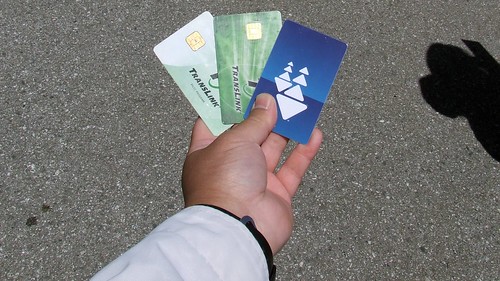
Three Generations of Transit Cards (TransLink Pilot, TransLink, and Clipper) Widescreen
Three Generations of Transit Fare Cards
The MTC has announced the Clipper card will no longer be given out for free starting September 1st.  The new card acquisition fee will be $3 in which they claim will be to cover the costs associated with the procurement of the cards.

Why an acquisition fee?
The acquisition fee has been a hotbed of controversy because the MTC originally proposed the card fee to be $5.  But after filing a required report under Title VI of the Civil Rights Act of 1964, they decided to drop it down to $3.  It was right in the middle for the agency, it didn't heavily impact people that are disadvantaged, but also didn't give out the cards for free.

The other controversy has been the cards have been treated as an item that can be thrown away.  As you may recall, some people who take longer and more costly trips on public transit have been abusing the system by taking advantage of the card's negative balance policy.  A passenger adds very little money to a card with $0 acquisition fee and riding transit that costs more than what was funded to the card; once it goes negative, the passenger just throws the card in the trash.  Because some people abuse the system this way, the MTC and public transit agencies lose a grand total of $700,000 in transit fares and card procurement costs.  One solution being implemented in the future is to force BART passengers to add funds to their Clipper card at the exitfare machines if there's not enough to cover the ride.

$3 fee to be a failure
In my own opinion, the $3 acquisition fee might be able to stop some people from abusing the negative balance policy, but the MTC is still going to lose money from those who can still take advantage of it.

Here's how simple it is.  Assuming BART is out of the picture, the most expensive transit fare is Caltrain at $12.75 one-way from zones one to six.  If Clipper also implemented a $10 minimum e-cash add on per new card, a passenger must pay $13 ($10 e-cash and $3 new card fee).  That means that while the passenger's one-way ride on Caltrain is paid in full, the passenger still has 25 cents left, therefore he/she can ride any other agency (except BART) for just 25 cents and dump the card in the trash.

UPDATE: Oops, I screwed up.  The new card fee doesn't make the e-cash total $13, it's still $10.  Therefore, if a passenger rides the $12.75 Caltrain ride, the passenger dumps their card in the trash after the first use of the card.

As I've just shown, people can still "save" money while transit agencies lose money.

How not to pay the $3 fee
The MTC is advising people to get the fee waived by ordering their card online and enrolling in the autoload program.  But as we all know too well, autoload has problems, just like the recent report of people whose money was loaded back in 2010 never got charged until just days ago.   So who wants to trust the MTC and Clipper on a piece of junk program?

Of course, the other way to avoid the fee is to get your new Clipper card now until September 1st, but how about after September 1st?

There's still a way to avoid the fee and it takes a little ingenuity.  Just obtain your card online, register a credit card under autoload, and as soon as you get your new card, CANCEL AUTOLOAD.  You see, you get a free card registered under your name (protection in case you lose your card), and you dumped autoload like dumping your date after a horrifying dinner.

Talking about dating... Akit's single!  Ladies, want to date a blogger?  :-)

Tuesday, August 14, 2012

Why I Don't Use Clipper Card's Autoload: 2010 Glitch Now Charging Customers

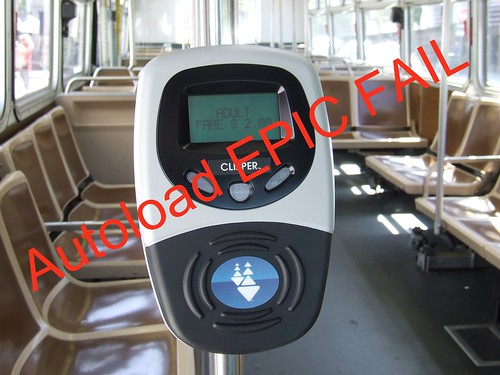
Clipper on Muni Epic Fail I've warned people before, Clipper card's Autoload program has problems.  But in light of the problems came the worst epic fail of all... being charged on your credit card for a reload of e-cash two years ago.

That's right.  KPIX reported yesterday that the folks at Clipper and MTC noticed a glitch in the system back from 2010.  Clipper card passengers who rode affected vehicles had their funds automatically reloaded for reaching a certain threshold, but the information from the consoles was not transmitted back to Clipper for credit card processing.

Basically, the passengers went off scott free with some free e-cash that was never charged to their linked credit card.

But now that the MTC found out, they are sending notices out to nearly 8,000 Clipper card users that they will get charged for the amount they owe.

Akit's Opinion
I can understand the MTC's point of view of getting back $230,000+ lost dollars, but it took two years?

Let's remember that Clipper card history reports can only be retrieved by customers as far back as 60 days.  The MTC should make an effort to show each customer being billed for the two year old charge to get some kind of documentation back from two years ago.

Now you wonder why I warn people to not use Autoload.  You'll get screwed no matter how long ago it was.  Stick to loading e-cash and passes by going to vendors and self-service machines.  You'll always know that when you load funds, it's both instantly available to use and you get a receipt of your transaction as proof.

Thursday, July 26, 2012

MTC Votes: No Funding for Free Youth Passes for Muni

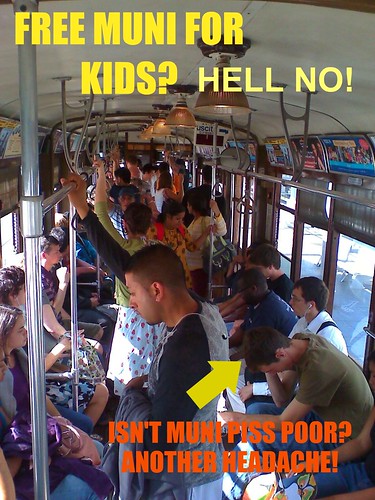
Free Muni Rides for Kids? For many months, the battle of youth Muni passengers getting free passes for rides has been a hot topic.  While many youth and low income advocates are pushing hard for it, and the SFMTA and SFUSD has put their support towards it, I've noticed a lot of other people feel they don't like the idea.

The epic battle raged on yesterday at the Metropolitan Transportation Commission's meeting where they decided on the fate of giving $5 million in funding, which will cover over half of the $9 million needed for the 22 month project.

The vote was close and it failed with only seven commissioners saying yes, and eight commissioners saying no.  Majority ruled and the attendees was angry because all the work they've done just went down the toilet in a very close vote.

Akit's Opinion:
I can sympathize the fact that the people who have been hard at advocating for the free passes are both upset and depressed.  When you fight hard for a cause and it can be taken away with a simple vote, things can go from bright to dark in a flash.  But just because the MTC voted against giving $5 million for the project doesn't mean you should get full blown emotional with anger and crying (as shown by the Chronicle), will not being able to get free passes affect your grades?  I've seen people with much more difficult financial situations and those in foster care beat the odds.

I have to look at the whole picture.  What can five million dollars be used for and how can it benefit everyone?  It doesn't make practical sense to give the youth of SF free rides.  I believe money should be invested in something that can benefit EVERYONE and would be a long term benefit versus a 22 month pass pilot project.  For five million, it could partially pay for a new bus which can last at least 10-15 years and serve hundreds of thousands of passengers in its lifetime, rehabbing transit vehicles so they can operate longer with fewer breakdowns, fund transit routes to areas neglected with lack of transit, and plenty more.

There can also be the argument of discrimination; why should the MTC, a regional authority regarding transportation would give Muni a huge chunk of money for free passes, when other agencies such as AC Transit and VTA would only get some funding for a reduction in fares or passes?  It could be argued that others that live in Marin County (which is under the MTC's jurisdiction) and San Mateo County can also demand for it too.  So truly the project will be more than just several million, because other counties and their advocates will demand they should get free passes too; therefore a chain reaction will start.  Even if the pilot program is successful, continued investment into it will be extremely expensive, and what will happen if the MTC decides to kill funding to it?  I feel the youth of the Bay Area will revolt.

If there's a middle ground to all of this, I'd consider an option to only give the youth of San Francisco two rides per school day with the usual 90 minute electronic transfers on their Clipper card.   This keeps both the costs lower and would supplement the years of neglect from the SFUSD for not funding school buses to get students to and from school.  Having free rides on weekends, holidays, and non-school hours is a big no-no.

As I mentioned in my blog in March, the youth of San Francisco should be grateful of Muni's contribution to keep fares low.  When comparing transit agencies within the region, Muni gives both the steepest discount (in comparison to the adult fare) and free transfers valid for 90 minutes to get to where they need to go.  Other agencies gives a discount, but doesn't come with transfer privileges:
  • Muni: $2 adult, $0.75 youth (62.5% discount) with free transfer.
  • Samtrans: $2 adult, $1.25 youth (37.5% discount) with no transfer.
  • VTA: $2 adult, $1.75 youth (12.5% discount) with no transfer.
  • AC Transit: $2.10 adult, $1.05 youth (50% discount) with additional $0.25 for one ride transfer.
Lastly, cheers to the MTC for doing the right thing.  Kids, stop crying and getting angry, it makes you look like fools in the Chronicle.

Wednesday, June 6, 2012

MTC and Clipper to Close Loop on Negative Balance Feature for BART

BART Gate & Clipper Card

The history of the Clipper card program (formerly known as TransLink) has always permitted card users to allow their card to go into the negative if there's at least $0.01 [positive] credit on the card; but once it goes into the negative, the card cannot be further used until replenished with money back to positive balance.  The idea behind the negative balance policy is both a honor approach for people to promise to keep their cards and replenish when negative, but also for agencies that operates on a distance based or zone system: Clipper cannot accurately charge the proper fare upon the initial tag when boarding a bus (Golden Gate Transit) or at a train station (BART and Caltrain); therefore the negative balance policy will have to remain indefinitely.

When things went insane...
However, back in November 2010, the can of worms that has been kept stable for nearly a decade suddenly exploded when Streetsblog SF, and other major news stations exposed the negative balance policy.  It suddenly changed from a policy with good intentions, to an easy way for passengers to  cheat transit agencies of transit fares with literally no risk of getting caught.  The way to do it was simple, purchase a new Clipper card with the required minimum balance and use it on a transit agency where the fare was higher than the balance placed on the card.  Back in 2010, all a person had to spend was $2 to get a new card and a $2 e-cash balance, and the passenger simply rode any transit agency whose fare was more than $2.  After ending the ride, simply dump the card in a trash can and go through the cycle again.  It was easily untraceable if passengers paid in cash for a card and did not register the card with Clipper.

MTC and Clipper fought back, by raising the minimum e-cash balance to obtain a card to $5, but did not enforce a policy to pay an additional fee to obtain a new card, but even with $5, there are still a bunch zone/distance rides that costs more than $5 one-way, such as taking the BART train to SFO.

In the long run, the negative balances started adding up into the six figures per year, and that does not include the cost per card to replace the ones dumped in the trash.  Back in September 2011, I reported the negative balance feature on Clipper cards was being abused at a rate of $360,000 per year in lost transit fares, and when including all the costs of procuring cards, the MTC spends a grand total of nearly $700,000 per year.

The solution?
The MTC is planning to spend some money in order to plug up one agency that has racked-up 60% of all negative balances, and that's BART.

This Friday, the Operations Committee will have a meeting to vote if the commission should spend $625,000 to end the negative balance problem for BART.

How?  Simple, the contractor (Cubic Transportation Systems) will be paid to upgrade all the exitfare machines in the BART system to force passengers with insufficient funds to add more money to their Clipper card before being allowed to exit.  It's just like the old school magnetic stripe tickets so people don't pay the minimum fare to obtain a ticket, and exit at a station for a ride costing $10.

By doing this, the MTC will save an estimated $216,000 per year in negative balances (or $420,000 per year if you include cost of procuring new cards).  Even though the contract to upgrade the exitfare machines is over $600,000, in the long run, the investment will pay off in a matter of a few years.

While this still does not plug-up the holes with the remaining 40% of other transit agencies still taking negative balance abuse, at least plugging up the worst offender (BART) is a step in the right direction.

Another feature of upgrading the exitfare machines?
As the MTC is planning to allow the exitfare machines to accept Clipper cards, this could also be the next step for passengers who utilizes paid BART parking lots to also use their card to pay for their parking fees.  Instead of a mirror hang tag (that is used today), it would be the same as using a BART mag stripe ticket to insert into a exitfare machine to punch in the parking stall number to pay their parking.

Monday, February 20, 2012

Updates: Clipper Card Acceptance on Ferries & Napa-Solano, Union City, & Marin Buses


Greetings everyone! Yes, I'm alive after not blogging as regularly as I should. Things have been quite busy in my personal life for the past few weeks, from going on a diet to joining a bowling league and practicing at the lanes with my co-workers.

Let's get on with Clipper card news:

The MTC's Operations Committee met on Friday, February 17th to discuss new matters about Clipper.

Next Phase of Clipper
Clipper's next step is to expand into the smaller transit agencies. In their minutes from their previous meeting, it is expected the Bay Area ferries will be joining the Clipper card family as early as April 2012. The month mentioned did not say if there's any testing time or exactly when it will be available for public use.

The next transit agencies to join Clipper will be the Napa-Solano group, Union City Transit, and Marin Transit. They were chosen because of the limited amount of Clipper equipment remaining in their arsenal, and their connectivity to other participating agencies using Clipper; for example, Union City Transit connects to BART and AC Transit, two major companies part of the Clipper consortium. Clipper expects equipment to be installed in the next 8-9 months, and should be ready for public use by March or April 2013.

In other Clipper card news
The committee is seeking to approve a contract amendment of $30,000 to the contractors running the Embarcadero station's Clipper card kiosk (this would raise their annual contract to $1,087,100). Statistically, that particular location is the top seller of Clipper card value (e-cash), and with their secondary location at the Ferry Building, has sold over 26,000 new Clipper cards (more than half are youth & senior cards), and replaced over 9,000 inoperable cards. The MTC is considering to give them more money to increase their staffing levels and expand their service hours.

Lastly, Clipper is asking the MTC to approve some changes to the operating rules of Clipper. It's a huge document to read over and I don't know exactly what they are changing. One interesting and particular rule in the operating rules is on page 27 about fees: Clipper can charge a passenger a $5 fee for every second failed Autoload funding source when it is declined.

Akit's Opinions
I think it's going to take some time for new agencies to join the Clipper consortium. You are at least looking at one year just to get the next fleet of buses up and running; as for the ferries, I'd expect them to get ready for public usage by around late Summer or early Fall 2012.

For the 30K additional to run the customer service kiosks with more service hours is a good thing. The lines themselves are long and they are quite popular for the incompetent people who doesn't realize a good number of the kiosk's functions can be done quickly at a self-service machine just feet away from the kiosk.

Wednesday, February 8, 2012

Hacking a Clipper Card? Easy and Cheap Solutions to Protect Yourself


There's been some word around that someone was able to hack a Clipper card.

I know how to hack a Clipper card, just give me a saw.

Actually, it's the other type of hack, some person was able to find how to exploit the Clipper card by being able to somehow get through the encryption and obtain the data. In the worst case scenario, someone could be able to use that data to make clone cards and either make fake card balances and passes to sell, or steal one's information and make a clone card (similar to someone skimming a credit card's magnetic stripe).

Am I concerned? Sure I am, but I'm protected like an electronically tested condom (which reminds me, time to visit Costco for an economy pack).

There's no fear in this; odds are very low that someone will skim your Clipper card and ride Muni free for the rest of the month. Even then, stealing the info and e-cash balance and trying to get cash back is really difficult: You have to prove to Clipper customer service that you are the registered user of the card. Also, if Clipper knows your card is funded or partially funded with commuter benefits (even just one cent), they are not allowed to cancel the card's balance and mail you a check.

If you are just paranoid, get your tin foil hats and learn about this: There are products on the market that is able to shield your Clipper card from people skimming information. You could wrap it in tin foil, that's a cheap option. There are sleeves that people can use to slip their card in to protect it. But the problem with a tin foil or sleeve shield is that you will have to pull your Clipper card out every time when you want to scan it.

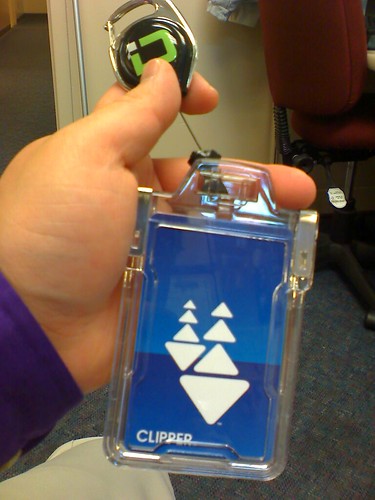
One solution I suggest is what is shown in the picture on this blog post. I use a badge holder. This one I have from Identity Stronghold works fine, and I also added a retractable reel to it so I can hook it to my belt. What makes it easy is you don't have to remove the card to scan, you just squeeze the top of the card to open it, scan the card, and un-squeeze to protect the card. I tried the holder with it protected/secured and Clipper card readers doesn't even know the card is there, but with a little squeeze, the card can be read.

So really folks, there's nothing to really fear. You don't need a replacement card if they come out with the newest generation of cards that are more secure. When more secure measures comes out, hackers always try to outsmart it. But with sleeve or badge holder that is shielded, there's no way to electronically pickpocket you.

Tuesday, January 17, 2012

Transit Agencies in Napa & Solano Counties Next to Join Clipper

Muni Clipper Ticketing Machine - Civic Center Secondary Gates

Just a few days ago on Friday, January 13th, the Operations Committee of the MTC met to talk about their usual business, and specifically, spending money on Clipper.

Other than the agency spending money on preparing for VTA's full transition into Clipper, I'm going to stick to the big topic at hand, "Phase III" of Clipper.

As you may recall, Phase II of Clipper was to have all major transit agencies in the Bay Area join the Clipper consortium and it has been successfully done with card readers on every bus, train, and train/metro station in the Bay Area.

Phase III of Clipper is to expand the program into the smaller transit agencies. To make the expansion more efficient and cost effective, they have been broken-up into regions of where the transit services is provided. The regions are: East Bay, Napa-Solano, 101 Corridor, and Ferries.

The Ferries group is supposed to be the first, but there hasn't been any news of any new developments. One reason why the ferries will go first is because it requires fewer Clipper equipment (readers, add value machines) versus a single transit [bus] agency that requires extensive amounts of equipment and labor to be installed on every single bus.

Who Gets Clipper First for the Buses?
The MTC is proposing to the Operations Committee to pick the Napa-Solano region to be next with Clipper. The region covers the following agencies:
  • SolTrans
  • Fairfield-Suisun Transit
  • Napa VINE
  • Vacaville City Coach
  • Rio Vista

The MTC is also considering to install Clipper equipment to Union City Transit and Marin Transit.

The MTC has hit a big bump in the amount of Clipper equipment left in their inventory; ERG, the manufacturer of the Clipper card equipment, does not make any more of the equipment that is currently used on the buses of the major transit agencies. Either the MTC gets lucky to procure whatever is left from ERG in Australia or will need to look for new equipment.

The lack of equipment forced the MTC to choose the region that would best fit the remaining equipment in storage, therefore Napa-Solano is the proper choice. Depending on what is leftover, Union City and Marin Transit may also be added for installation; these two agencies are being treated differently because Union City Transit is an extension of AC Transit, and Marin Transit is an extension of Golden Gate Transit.

What About the Other Transit Agencies?
Since there's a lack of equipment in MTC's inventory to cover every single bus for the remaining agencies, they'll need to look elsewhere.

Cubic, the contractor for Clipper, will need to seek new equipment. As the report states, the newest generation of RFID transit fare equipment now includes real-time cellular communications, which means, rapid communications between the equipment and the Clipper network, and without the 5 day waiting period common with online and phone orders with the current technology operating on the major agencies.

The new equipment they are looking at is what's going to be used in Vancouver and Chicago this year when they roll-out their new farecard programs. MTC and Clipper plans to start piloting the new equipment this now until March at no cost to the MTC to see if it will work well with the current Clipper technology in use now.

If the MTC likes the new equipment, they'll likely make a proposal at the March or April Operations Committee meeting and provide the plans for the 101 Corridor and East Bay groups.

Thursday, January 5, 2012

How is Muni Handling the Clipper Card? A Look at How the Agency Did in 2011

Clipper Card Readers at the Ballpark

On Tuesday, the SFMTA Board of Directors met, and one topic of particular interest is about how Clipper is doing for the agency. Let's take a look at the highlights of their meeting:

To view the entire presentation, click here for the document (PDF).

The Clipper transition
The report mentions about how the participating agencies are doing in their transition of monthly passes & tickets and how much of their customers are using the Clipper card over other fare media like BART tickets, cash fares, and those exempt from using Clipper (e.g. BART Plus & Muni lifeline passes).

Here's how each agency is doing:
All participating transit agencies, except for VTA has transitioned their monthly passes/tickets to Clipper. VTA is planned to transition their passes at the end of the fiscal year (June 30th).

Transit agency usage of Clipper:
  • AC Transit: 24.9% of boardings use Clipper on weekdays.
  • BART: 44.1%
  • Caltrain: 68.8%
  • Golden Gate Transit (Bus): 34.8%
  • Golden Gate Ferry: 90%
  • Samtrans: 9.3%
  • Muni: 45%
  • VTA: 4.1%

Even though Muni has a lower percentage of usage of Clipper versus Golden Gate Ferry, Caltrain, and BART, Muni has over 50% of the weekday Clipper card boardings in comparison to the total of boardings for the combined membership of Clipper (approximately 330,000 Muni Clipper boardings per weekday vs. 575,000 boardings for the entire Clipper consortium).

Muni's Transition of Fare Media
Muni has done their share of preparing the public for the big transition of moving paper passes and other fare media to Clipper.

Muni has done outreach and marketing to the public, including opening up the SFMTA Customer Service office on select weekends to help youth sign-up for the Clipper card and receive their card immediately; versus waiting for one in the mail.

In September 2011, Muni transitioned most monthly passes to Clipper only. However, paper passes are only available through the Lifeline program and the "P" pass for seniors and disabled whom pays an extra fee on top of the Muni monthly pass for BART access within San Francisco.

From March 2010 to August 2011, Cable Cars accepted Clipper, but it was only for Muni monthly passes. This caused a problem with Clipper card users who wanted to pay with e-cash as the handheld readers could not deduct e-cash payments. This changed in September 2011 when Muni announced all Cable Cars can also accept e-cash payments as the conductors received new handheld devices capable of doing it.

Muni Metro Station Faregate Replacement Project
It's been over a year now with the new Muni metro faregates and it has been a love-hate relationship. There's been a lot of complaints and negative media exposure, but people have gotten used to it.

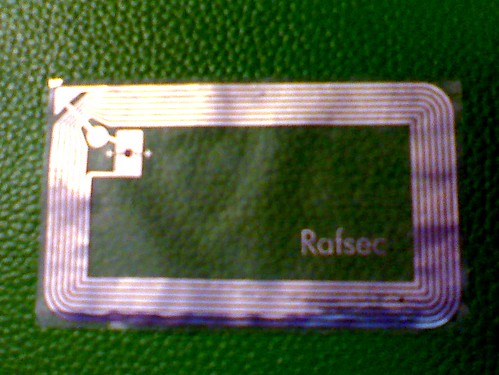
From Muni's report, currently, the ticket vending machines at all underground stations issue 240,000 paper "Limited Use Tickets" per month. That's a lot of paper tickets issued and a lot of money at roughly $600,000 a year in these special tickets that includes Clipper technology. Ever seen what's inside one of those tickets? Click here.

Reliability of the faregate equipment has been going very well with the machinery maintaining above 99.7% in the last six months. The worst in the past 12 months is when it dropped to 99.2% in April 2011. Still, 99% is pretty good versus the old Muni equipment that jammed, broke down, and non-functioning change machines.

Muni's Clipper On-Board (Bus and Metro) Equipment Reliability
While the metro faregate equipment has been doing well, it's not great news for the vehicle equipment.

For the past three months, equipment reliability has ranged from 96% to 98%, but has dropped to as low as 87% in May 2011. If Muni maintains a 96% availability, this means 1 in 25 buses/trains has malfunctioning equipment.

Muni and Clipper has found ways to improve the reliability of their Clipper equipment:
  • Wireless antenna and software upgrades.
  • Operators contacting Central Control of equipment problems (similar to reporting a broken cash box).
  • Passengers contacting Clipper to report issues.

Fare Inspectors
Fare inspectors carry Clipper card reading equipment to check if passengers tagged their Clipper card.

But while 99% of inspections is just to verify if the transaction went through, there's always that 1% that might have a problem, and that's when their handheld equipment comes in handy. The reader can check the last ten transactions on the card, remaining card funds, what pass(es) are loaded, and what fare category the card uses.

The Cost Muni pays to Operate Clipper
Muni is estimated to spend $10.4 million next fiscal year on Clipper. The calculations are based on:
$7.6 million on Muni's fair share of the operating fees of Clipper for the region.
$1.5 million for the metro's automation of fares.
$600,000 for procuring the limited use tickets sold at metro ticketing machines.
$1.1 million in Muni staffing.
($0.4 million) in savings for ending the paper fare products and reduction in cost for maintaining the faregates as the old gates broke down much more often.

Muni justifies the estimated $10.4 million cost in favor of both the passengers and the agency iteslf. For the passenger it means being able to ride multiple agencies on a single card, and quicker boarding. For Muni, it means less cash handling as more are paying with e-cash and less use of the cash fareboxes, lower fraud from fake paper passes and transfers, and with no more paper pass sales means less resources and staffing needed as most can be handled online, at metro station machines, autoload, or at Clipper contracted retailers like Walgreens.

What's the Future?
  • Muni will be evaluating about possibly transitioning their other fare media to Clipper only, such as their passports, Cable Car tickets, and Lifeline passes.
  • Will be working with MTC and fellow transit agencies on updating their technology to help benefit passengers with better reliability and experience.

Akit's Opinions
In the past year, Muni has done a lot to make Clipper a big star. Many of us give praise to the change, there are others who would agree the paper passes should still be the backbone of the system.

Surely paper passes would still exist along with the Clipper card selling passes too, but lets remember that Clipper is a regional project spearheaded by the Metropolitan Transportation Commission and has forced agencies with a gun at their head saying to transition or lose funding. This happened to BART when the agency slacked off on transitioning their tickets to Clipper when the MTC threatened to cut their funding if they didn't do the transition by the last day of 2011.

But is putting a gun to each transit agency's head telling them to go to Clipper a great idea?
  • In some cases, it has helped agencies in certain ways, like reducing fraud from those who prints fake passes and transfers, less people needed to count the farebox cash as people pay with e-cash, more efficient buses as people use Clipper to pay for rides instead of spending longer periods of time feeding cash in the box, and less resources required to disburse passes to thousands of vendors all around the Bay Area.
  • But going Clipper only has its problems too... boarding of Muni buses used to be quick when paper passes was the norm; just flash at the driver and go. Reliability of Clipper card readers on vehicles are not as reliable as the faregates that has over a 99.6% monthly average; if you assume 96% of vehicle readers are functioning, that means 1 of 25 buses/trains have a non-functioning reader; that's unacceptable and Muni loses money because the rules state if the Clipper reader is broken, the passenger scores a free ride. At least with Muni metro, if one gate is broken, just go to the one next to it. Lastly, I understand Muni has done some heavy campaigning to get youth and senior passengers to go Clipper only, but even with all this hard work, the members of the public who slacks-off on obtaining a new card blames the agency for "not doing enough" when plenty of opportunities has been given to get a new card.

Is it really worth $10.4 million per year for Muni to operate Clipper? That depends on who you ask. Is the MTC giving some extra money to agencies to help pay for the brunt of using Clipper? That's an answer I don't exactly know.

What I do know is that by going Clipper only, it's good public relations for the MTC and all the participating agencies by having a single card; that's been a dream of public transit advocates for a very long time. The transition of passes has also changed the way we buy them, offering us more opportunities to buy (online, phone and autoload) but fewer opportunities to buy it through traditional methods (visiting your neighborhood vendor). I've learned to adapt to the changes by visiting a metro station during the weekend to buy my pass when I'm out and about to explore the city.

I don't really think they are giving a good estimate on the $10.4 million because of a few factors: (1) they are saving money on having people count hard cash and coins. Since people can pay their fares with electronic cash on Clipper and not needing to collect money from their (former) pass vendors, this means less staffing is needed to handle money. (2) While the report says the agency is saving money on less maintenance on the faregates, how about the bus and train cash boxes? Less cash fed in the box means less parts moving, and can reduce the need for maintenance as people continue to use e-cash payments.

Muni could save more money by encouraging regular citizens who rides Muni infrequently, by telling them to get a Clipper card, instead of buying a limited use ticket every single time. It costs $600,000 a year to issue those metro ticket machine tickets and a good portion only gets used once and dumped in the trash. Get people on a permanent Clipper card and that estimated $600K will drop. Of course, tourists will still buy the limited use metro tickets, we can't stop that fact.

Lastly, I don't like the idea of having Muni transition their visitor passports and Cable Car tickets to Clipper. Paper form is easier to handle for the visitors. For the lifeline passes, it's not a bad idea to go Clipper only so the agency can stop printing paper passes altogether.

Tuesday, December 13, 2011

Clipper Not Mandatory for BART Discounts - Paper Tickets Continue to be Sold After 12/31

BART Gate & Clipper Card

BART listened and they've done something pretty remarkable.

MTC and Clipper threatened BART that if they don't end all sales of blue, green, and red discount tickets by the end of this year, they will cut their funding. I argued the transition for adults was poorly thought out and hurts those with commuter benefits. And some people have told me the transit benefit maximum monthly limit is going back down from $230 to $120 a month, and for those who are required to link their commuter debit card to their Clipper card, it means more blocked Clipper cards for insufficient funds or a denied reload.

Since BART decided Clipper autoload was the only way to continue getting adult high value discounts (extra $2 in fare money for every $30), that made a lot of people grumpy, especially when there are no other options to load HVD value, such as paying in cash.

Good news, BART will continue selling all discount tickets after December 31st!

In a news release on December 8th, it says the following:
  • Red and green tickets will still be sold after December 31st at these "My Transit Plus" locations at: Embarcadero, Montgomery, Powell, Civic Center, Bayfair, Walnut Creek, Richmond, and Oakland Coliseum/Airport BART stations.
  • Red and green tickets will also continue be sold at SFO Airport and the main ticket window at Lake Merritt station.
  • Blue high value tickets will continue to be sold at the above listed "My Transit Plus," SFO Airport, and Lake Merritt ticket window.

To support BART's statement, Clipper's website also states the following:
"After December 31, High Value, Red and Green discount tickets won't be available at most retailers."

If you read that correctly, the keyword from Clipper is: "most," which means there will still be places in the Bay Area to buy all three types of discount tickets in paper/mag stripe form.

Akit's Opinion
The main reason why the high value blue, green, and red paper tickets will still be sold is because of tourists. Since getting a youth or senior card takes time, having the discount tickets will allow those who are eligible to access BART fairly with the proper discount.

By having the blue HVD tickets continue to be sold, this allows those who pays with cash or commuter paper vouchers to continue to buy their tickets without being forced accept Clipper as vendors don't accept paper vouchers in exchange for Clipper HVD, and the only method of paying is through autoload. It's exceptionally difficult for those who cannot obtain a commuter debit card to get the 6.26% discount they've been getting for years with paper vouchers.

It's time to celebrate! Akit's Complaint Department and people around the Bay Area cried out to BART, and they've done something positive.

Thursday, December 8, 2011

Cool Clipper Card Statistics & More

Three Generations of Transit Cards (TransLink Pilot, TransLink, and Clipper) Widescreen

The MTC's Operations Committee is meeting this Friday morning and Clipper will be a topic of discussion.

Let's get onto the lead story today, some cool stats from the folks at Clipper:
The documentation from the committee shows a comparison of usage from October 2011, September 2011 (prior month), and October 2010 (page 4 of PDF document). Some are well expected (like the increase of growth and usage), while others show a great improvement in how Clipper is operating:

As of October 2011, Clipper has surpassed the average number of weekday transactions goal of 500,000. The number of transactions has doubled in just one year.
--October 2011: 571,532
--September 2011: 555,273
--October 2010: 226,160

There are over one million active Clipper card accounts as of October 2011. This has nearly tripled in the last 12 months.
--October 2011: 1,058,312
--September 2011: 991,253
--October 201: 315,551

Interestingly, the number of registered Clipper cards has dropped dramatically. Last year, nearly 80% registered their Clipper card for benefits like balance restoration. But with the growth of the Clipper card and people making the decision to use their card anonymously, the number has dropped by nearly half.
--October and September 2011: 43% of Clipper cards in use
--October 2010: 77%

Have you ever wondered, how many people use the autoload program? The statistics show that less than 40% are enrolled in the program, even though the number of users has increased and mandatory enrollment for those who transitioned from BART's EZ Rider HVD ticket program. But while the percentage of users is very slowly growing from a year ago, the number of autoload transactions has doubled.
--October 2011: 39% of cards enrolled w/autoload, 219,568 autoload transactions for month.
--September 2011: 39%, 209,674
--October 2010: 36%, 92,018

Just how many people call customer service in a month? It's over 30,000, but there was a huge spike in September 2011 of phone calls. What's really interesting is that back in October 2010, there was three times less Clipper cards in active use, but maintained the same number of phone calls in comparison to October and September 2011.
--October 2011: 37,820 customer service representative calls
--September 2011: 42,124
--October 2010: 36,051

You may think that's a hell of a lot of phone calls, but if you crunch the numbers, it is actually getting better month by month:
--October 2011: 0.08 customer service calls per unique card used
--September 2011: 0.09
--October 2010: 0.16

In summary: Clipper continues to grow as passes and tickets switch over, but it is good to see people are not calling customer service as often for help. I'm guessing the population is getting used to using their Clipper card, knows where their nearest retailer is, and improved maintenance of the service. In a shameless move, I should also get credit for informing the public too, right?

As for other Clipper related stuff in the committee's agenda...
They are planning to approve to renew contractors for public relations firms. The public relations firms the MTC hires does the publications, promotions, tabling, educating, sign-ups, and others.

Um... can I get a contract too for blogging on Clipper? I'm low cost!

Akit's Opinions
This is just a usual meeting for Clipper. I don't think there will be much new news these days as Clipper advances towards their next goals: Transition of all Samtrans passes and BART HVD tickets to Clipper only.

Friday, November 18, 2011

Clipper Card Transition of BART High Value Discount (HVD) Tickets is Poorly Thought Out

BART Gate & Clipper Card

If you are a regular commuter of BART and use High Value Discount (HVD) tickets to save a little money on your trips, you are aware the classic magnetic strip tickets will be going away at the end of the year to be a Clipper only product.

But while you may think, "wow, Clipper will make it so easier!" Ha! Time for a reality check.


The old way to buy HVDs:
  • Any BART ticket sales window at major stations. Accepts cash and commuter benefit checks.
  • Vendors around the Bay Area, including some grocery stores. Accepts cash and sometimes commuter benefit checks.
  • Mail-in tickets to BART sales office. Personal checks and commuter benefit checks accepted.

The Clipper way to buy HVDs:
  • A Clipper card user must register their personal credit/debit card, or use a commuter benefit debit card. Once registered, the user must sign-up for autoload where the card will have $32 in HVD value, and when it dips below the $10 threshold, the card will be automatically replenished with $32 more HVD dollars.

For more information about the HVD transition, click here.

For some of you, this new method might be an okay option to charge your personal credit/debit card to automatically purchase HVD value for BART. But if you like buying your HVDs in cash, you'd be grumpy too.


For those who uses commuter benefits, your options are SEVERELY LIMITED. Here's how it sucks for all of us:
  • Commuter benefit checks/vouchers cannot be claimed for HVDs.
  • You must use a commuter benefit debit card. Some of you have told me your employer doesn't give you one, and you only get vouchers. Basically, you are screwed.
  • You can only use autoload only. If you use a commuter debit card, you must be very strict on your BART spending, otherwise your card can get blocked if you don't have sufficient funds on your commuter debit card.
  • If you still want to use vouchers or a debit card without the stupid rules about autoload, you can only claim them for e-cash (universal Clipper cash fund), but you will NOT receive the 6.25% HVD discount.

Now you know why this really sucks.

As a long time blogger writing about Clipper, I highly DO NOT recommend Clipper's autoload program. It has a bad reputation and if for some reason your card gets blocked (even by accident), your card is unusable for a number of days until the system can resolve it.

For me, I'm very uncomfortable about giving out my credit card number to Clipper. For the fellow wary folks out there, there needs to be better options for all of us to get BART HVDs on Clipper, regardless if you use commuter benefits or just like paying cash to your favorite grocery store for the magnetic stripe card. MTC has said in the past that making other options to obtain HVDs is cost prohibitive, but I think it's very necessary to gain the public's trust in the program.


Here's my recommendations BART, Clipper, and MTC should do to make it easier for all for this Clipper card transition:
  1. HVDs remain available with autoload.
  2. Passengers can purchase HVDs without the autoload commitment at any Clipper ticketing machine (including Muni metro's), BART ticketing machines, and all Clipper card vendors.
  3. Passengers have the right to purchase a single HVD with cash at any location selling Clipper.
  4. Passengers have the right to use their commuter benefit voucher to buy a HVD at Clipper vendors that are willing to accept them.
  5. Passengers have the right to use their commuter benefit card to purchase a HVD at any self-service Clipper card machine, Muni metro ticket machine, and any BART ticketing machine.

If BART is willing to accept this idea instead, I'd say, run with it:
  • Since seniors, disabled, and youth card users automatically gets their discount without the need to have a separate BART pool of funding (they use their regular e-cash), why don't extend the idea to adult Clipper card users by giving every person using a Clipper card a 6.26% discount? By doing it this way, MTC, BART, and Clipper doesn't have to spend millions on reprogramming every single ticketing machine, vendor machine, and rewriting software; they just rewrite the BART fare table by subtracting 6.25%.

What's your opinion? Leave a comment.

Wednesday, November 2, 2011

BART Publishes "How To" Videos on Clipper - Akit Beat Them to the Punch Over a Year Ago

Wow BART, you finally made a video on how to use Clipper cards on your add value machines and enter/exit your gates.


BART also produced how to add value videos here and here.

But wait just a second... you folks at BART are way behind the times, because I shot and edited this video over a year and eight months ago:


Get with the times, BART! A single person with a cheap digital camera and a Mac was able to record and produce a video in less than a day. For you guys, it's HD cameras, contractors editing video, and lots of money. Heck, why not pay me $500 and I'll do it all myself?

--------------------

In other BART related news:
The agency is working with the MTC on a possible plan to modify the exitfare machines to allow passengers with insufficient Clipper card funds to pay the difference before exiting. This policy will fight back against those who exploit Clipper card's negative balance feature and contributes to the $700,000 yearly loss the MTC has to swallow. This is mentioned in last week's BART Board of Directors agenda documents (PDF document).

Lastly, the MTC's operations committee is supposed to meet this Friday, but there's nothing interesting to report.

Tuesday, October 11, 2011

October 2011 Clipper Card Updates from the MTC's Operations Committee

Three Generations of Transit Cards (TransLink Pilot, TransLink, and Clipper) Widescreen

The MTC's Operations Committee will be meeting this Friday, October 14th, and as usual, Clipper will be a well discussed topic for this de facto Clipper Board of Directors.

Here's the highlights from their agenda documents:

Last month's meeting minutes:
  • The committee has chosen the ferries to be next with the Clipper 'phase three' implementation.
  • The Clipper program's Title VI report was mentioned. While I won't get into all the dirty details on this blog entry (you can read about it here), the one thing I will mention is they will have public comment sometime during the Fall.

Updating the Transit Coordination Implementation Plan
A lot of the material is scratching out the old the name "TransLink" to its current name "Clipper."

The most useful information is the pass/ticket transition dates:
  • All AC Transit, Caltrain, and Golden Gate passes/tickets completed.
  • BART must complete transition of blue high value, red, and green tickets by December 31, 2011. BART's student orange ticket is up for debate as there is no current date of transition.
  • Muni has delayed transition of all Muni visitor passports until a usable substitute (e.g. Limited Use Ticket) can be used.
  • Samtrans will complete transition of all passes to Clipper on December 31, 2011.
  • VTA's monthly passes scheduled to transition on June 30, 2012 as long as VTA has a 'day pass accumulator' active by January 15, 2012.
Transfer changes:
  • Daly City BART's free Muni transfer scheduled to transition March 1, 2012.
  • Muni transfers scheduled to be Clipper only on June 30, 2013.

BART's Ticket Transition (More gritty info)
  • BART has closed many of their ticket retailers to prepare people for the Clipper transition at the end of the year. There are far fewer locations where the magnetic stripe tickets are sold and will be closed at the end of the year.
  • MTC and BART has done outreach and are giving away Clipper cards with $2 preloaded to encourage usage.
  • 1 out of 3 BART passengers currently pay for their rides with Clipper, and 40 percent of card users are enrolled in autoload.
  • Blue high value tickets will only be available through autoload with no intention to offer it for sale at vending machines and vendors. This causes a hardship for transit passengers that pays for tickets with commuter benefit paper vouchers; MTC claims offering it at vendors and vending machines is "cost-prohibitive and would result in slower Clipper transaction speeds at BART's fare gates." MTC is encouraging all employers to offer employees a debit card, or consider Clipper Direct which will offer HVDs starting Spring 2012.
  • $150,000 is proposed to be spent on an educational and advertisement campaign for BART's transition to Clipper.

Akit's Opinion
BART's transition is the most concerning to me.

For the Daly City station free Muni transfer going Clipper only, there's a big issue for SF State students who utilizes the free shuttle provided by SF State. If the paper transfer is eliminated, those who pays for BART with Clipper and takes the shuttle gets their free return ride on Muni's 28 line to BART voided because of the 1 hour policy to ride Muni to be eligible for the return ride back. Read more about this odd quirk.

I totally disagree with MTC's policy that all adult blue high value tickets (HVDs) on Clipper must be on autoload only. This does not meet the demands of the general public who are not comfortable with linking a credit card to their Clipper card (read why autoload is not recommended). People pay cash for their paper HVDs at retailers, so it's hard to believe that the MTC says it's "cost-prohibitive" and would slow down the BART gates if alternate methods are not going to be available. If youth and senior Clipper cardholders automatically gets the discount without the need to buy red and green tickets (with a high value), why can't us adults also get the automatic 6.25% discount we are entitled to? Or, why doesn't the station ticket machines offer adult HVDs to purchase?

Lastly, I hardly believe Muni will ever eliminate paper transfers. With no decent proof of payment enforcement, it's going to be free rides for everyone.